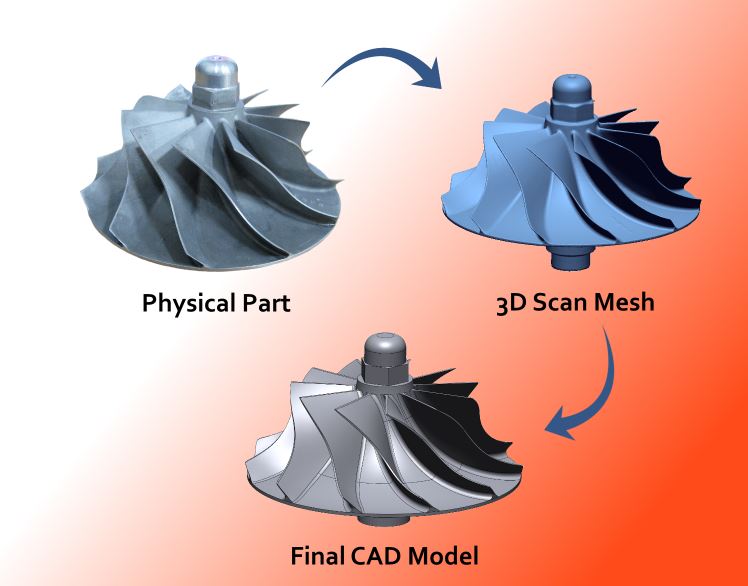


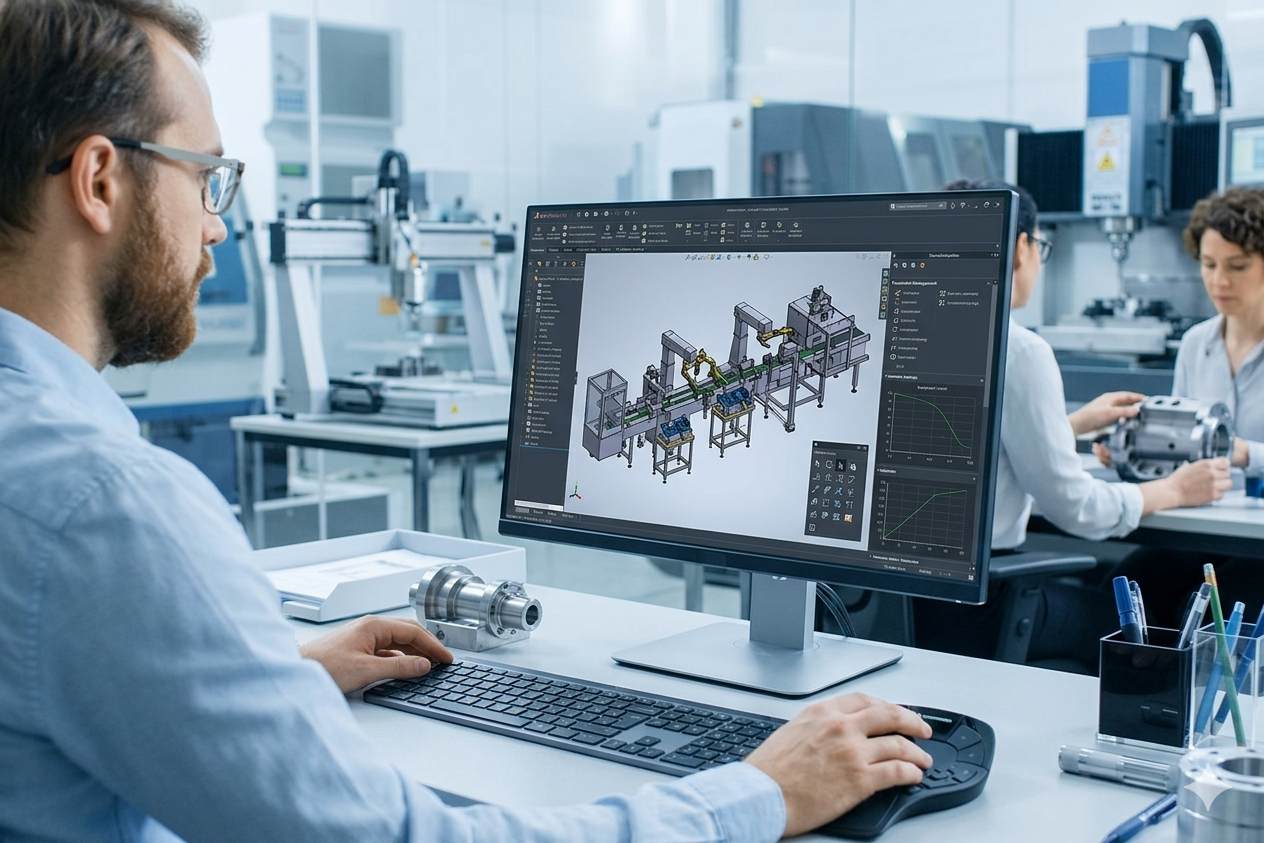
Our Reverse Engineering Capabilities
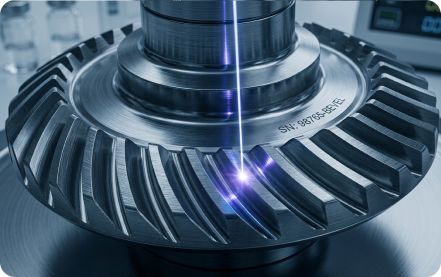
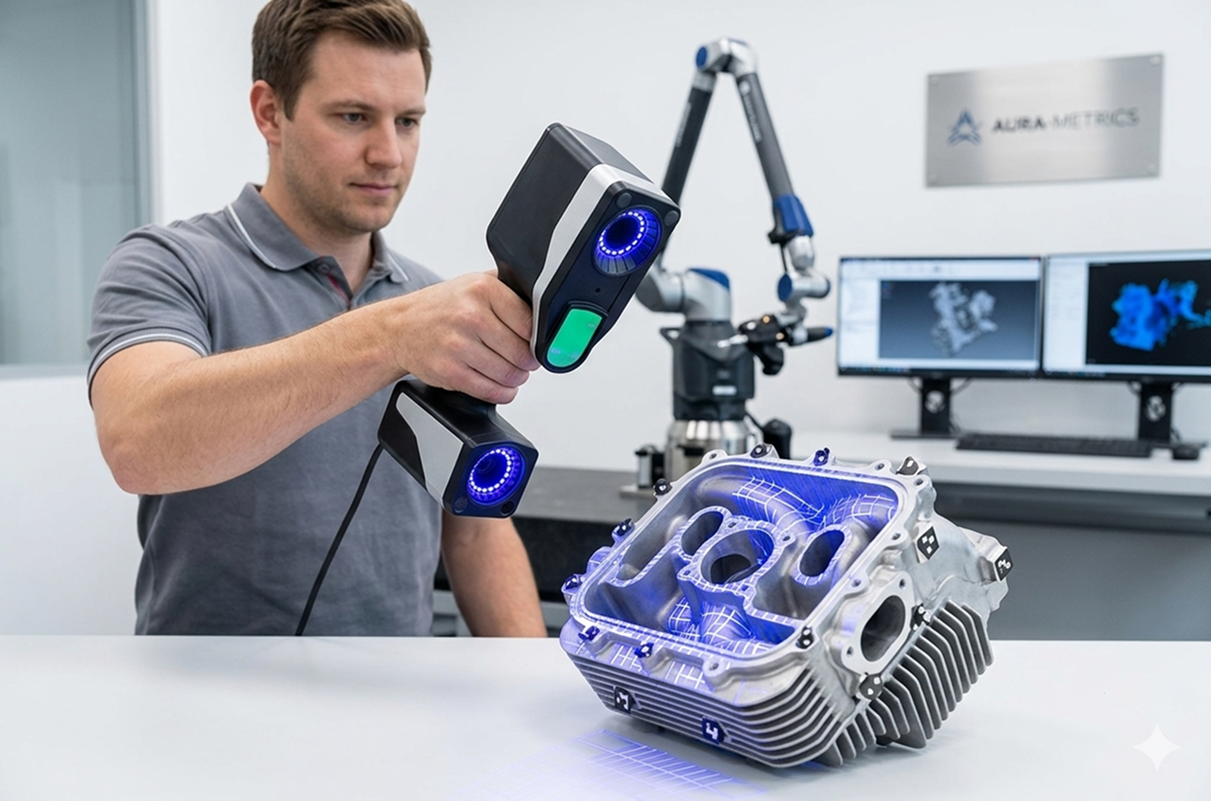
 We capture precise geometric data using advanced laser technology
- Non-destructive CT scanning enables reverse engineering of complex structures
- Efficient processing of raw point cloud data creates a strong foundation for accurate modeling
- Conversion of scan data into high-quality polygon meshes
- Transformation of scanned data into fully functional CAD models
- Creation of intelligent, feature-based CAD models
- Reconstruction of complex structures using advanced surface modeling techniques
- Identification and recreation of key design features
- Detailed engineering drawings are generated to support manufacturing
- Recreation of digital models for obsolete components
- Multi-component assemblies are reconstructed while maintaining functional relationships
- We interpret and rebuild the original design intent, ensuring functional efficiency in the final model
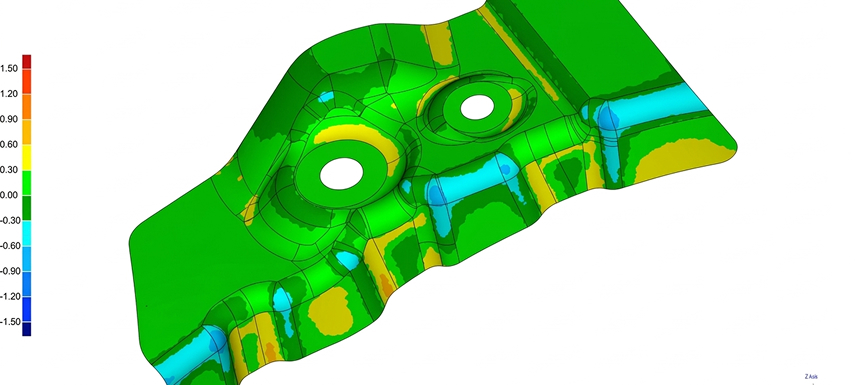
- We compare CAD models with scanned data to identify deviations
- Creation of accurate digital replicas of physical components for simulation
- Models are delivered in multiple formats (STEP, IGS), compatible with leading CAD software
- Delivering custom reverse engineering solutions
Our reverse engineering capabilities are built on a powerful combination of advanced scanning technologies, intelligent software, and deep engineering expertise. We go beyond simply capturing the shape of a component - we decode its design intent and functionality to deliver highly accurate and usable digital models. We are equipped to handle everything from simple parts to highly complex geometries and multi-component assemblies. Whether it is recreating legacy components, refining product designs, or supporting quality inspection, our capabilities ensure that every detail is accurately translated into a digital format. With a strong emphasis on precision, efficiency, and customization, our reverse engineering capabilities empower businesses to innovate faster, reduce costs, and extend the lifecycle of their products.
The Process
Our reverse engineering process is designed to deliver accuracy, efficiency, and reliability at every stage – from initial data capture to final CAD delivery. We follow a structured and technology-driven workflow that ensures every physical component is transformed into a precise and functional digital model. By combining advanced 3D scanning techniques with powerful data processing and modeling tools, we are able to capture even the most intricate geometries with exceptional detail. Our approach is not just about recreating geometry – it is about delivering intelligent, usable data that supports engineering, manufacturing, and innovation. With a focus on precision, speed, and customization, our reverse engineering process ensures consistent results that help you reduce errors, save time, and make confident decisions.
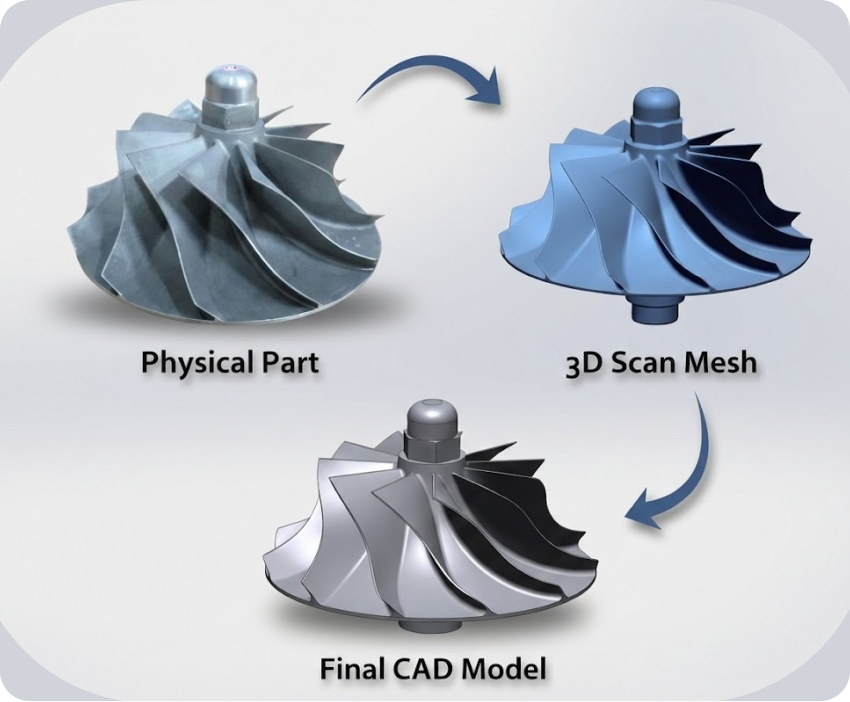
Requirement Analysis and Project Planning
Every successful reverse engineering project begins with a detailed understanding of the client’s objectives. In this stage, we assess the component, define the scope, and identify the desired outputs such as CAD models, meshes, or 2D drawings. Factors like accuracy requirements, end-use application, and project timelines are carefully evaluated. Based on this analysis, we select the most appropriate technologies and workflows. This planning phase ensures a clear roadmap for execution, minimizes potential challenges, and aligns our process with your expectations for optimal results.
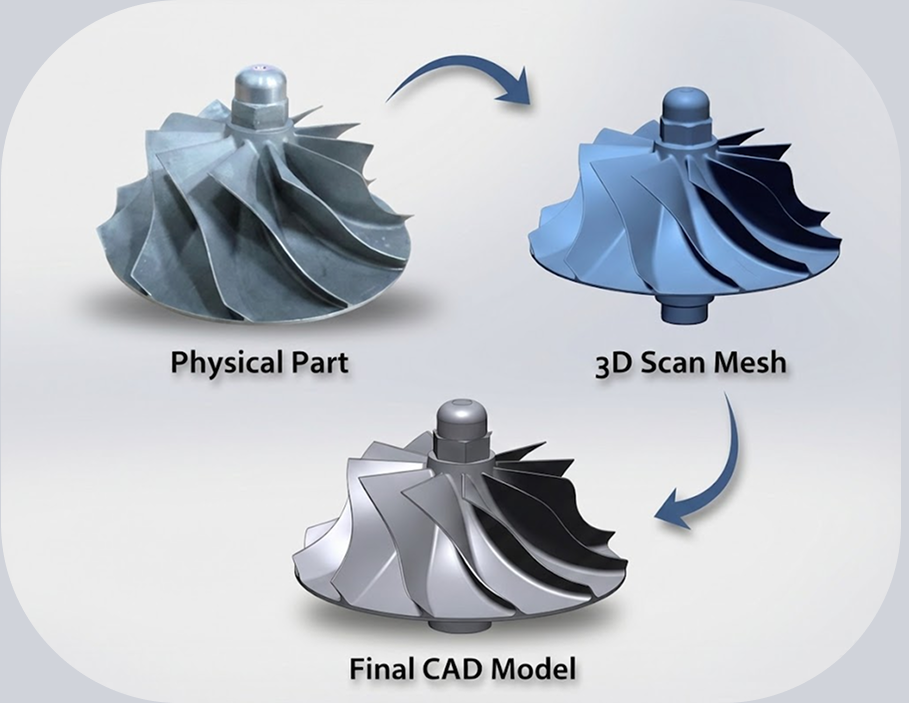
3D Data Acquisition
In this stage, we capture the complete geometry of the physical component using advanced 3D scanning technologies such as laser scanners, structured light systems, or CT scanning. Depending on the complexity and size of the part, we choose the most suitable method to ensure high accuracy and resolution. This non-contact process allows us to capture intricate details without damaging the component. For complex or internal features, CT scanning provides deeper insights. The result is a dense and precise point cloud that serves as the foundation for all further processing and modeling.
Data Processing and Mesh Generation
Once the scan data is captured, it undergoes thorough processing to prepare it for modeling. This includes aligning multiple scans, removing noise, filling gaps, and optimizing the point cloud. The refined data is then converted into a high-quality polygon mesh that accurately represents the physical object. Special attention is given to maintaining surface continuity and geometric accuracy. This step is critical as it ensures that the data is clean, consistent, and ready for CAD reconstruction, ultimately impacting the precision of the final deliverables.
CAD Reconstruction and Modeling
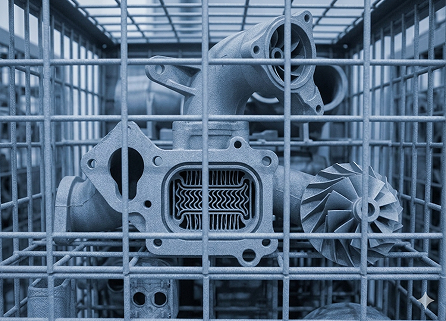
In this phase, the processed mesh data is transformed into precise CAD models. Our engineers use advanced software to create parametric, surface, or solid models based on project requirements. Complex geometries and freeform surfaces are carefully reconstructed while preserving design intent and functional characteristics. The resulting CAD models are compatible with standard engineering platforms, making them suitable for design modification, analysis, and manufacturing applications.
Validation and Final Delivery
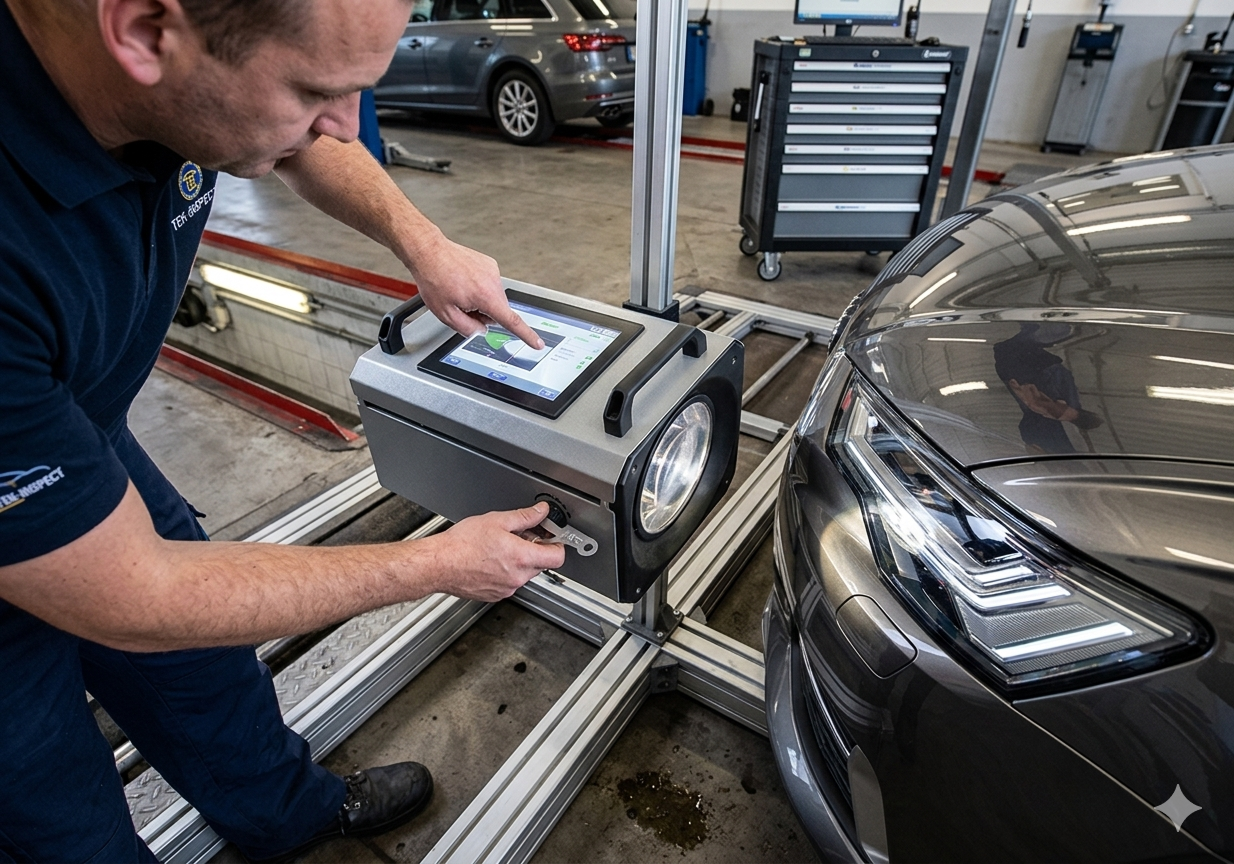
The final stage focuses on ensuring accuracy and quality. The reconstructed CAD model is compared against the original scan data using deviation analysis tools to verify dimensional accuracy within specified tolerances. Any discrepancies are identified and corrected to ensure a precise match. Once validated, the final deliverables are prepared in the required formats, such as STEP, IGS, or STL. We ensure that all outputs meet industry standards and are ready for immediate use in design, manufacturing, or inspection workflows.
Deliverables
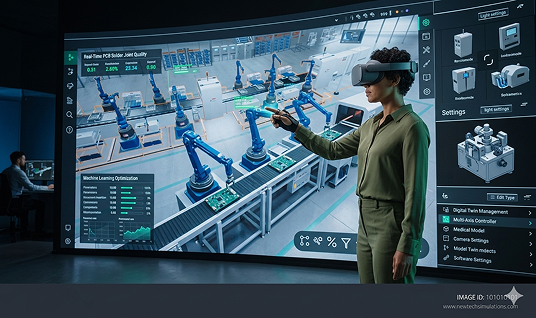
Our reverse engineering services provide a comprehensive set of deliverables designed to support design, manufacturing, inspection, and product development workflows. Each output is created with precision, usability, and compatibility in mind, ensuring seamless integration into your existing engineering processes. We deliver editable, feature-based CAD models in industry-standard formats such as STEP and IGS. Mesh files such as STL or OBJ are generated directly from scan data and represent the exact geometry of the physical component. Our inspection reports provide a comprehensive comparison between the scanned data and the reconstructed CAD model. We create accurate digital twins that replicate the physical component in a virtual environment. These models go beyond geometry to support simulation, performance analysis, and lifecycle management. Comprehensive technical documentation is provided to support the use and understanding of all deliverables.
-
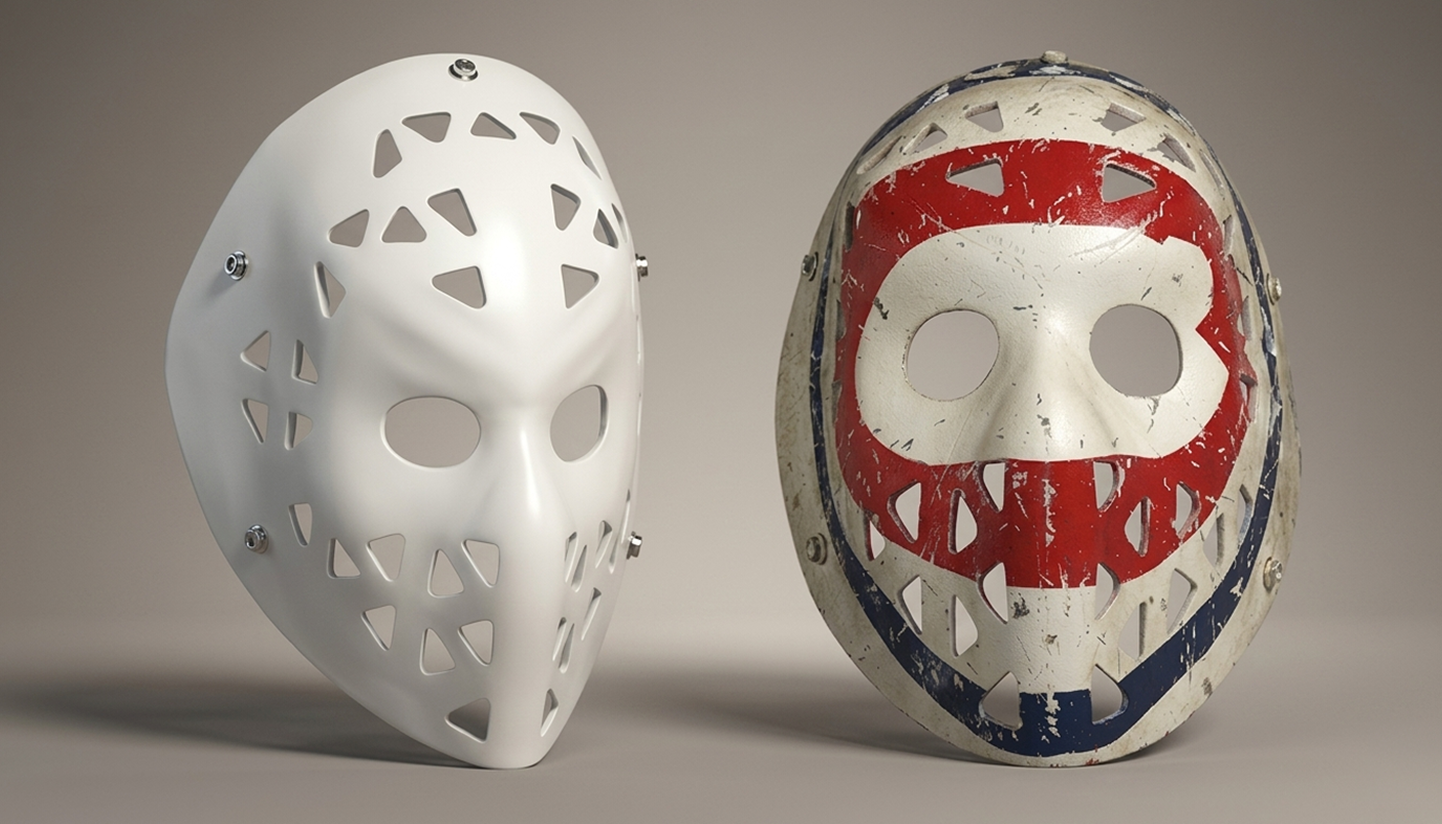
Sports Equipment Scanning
-
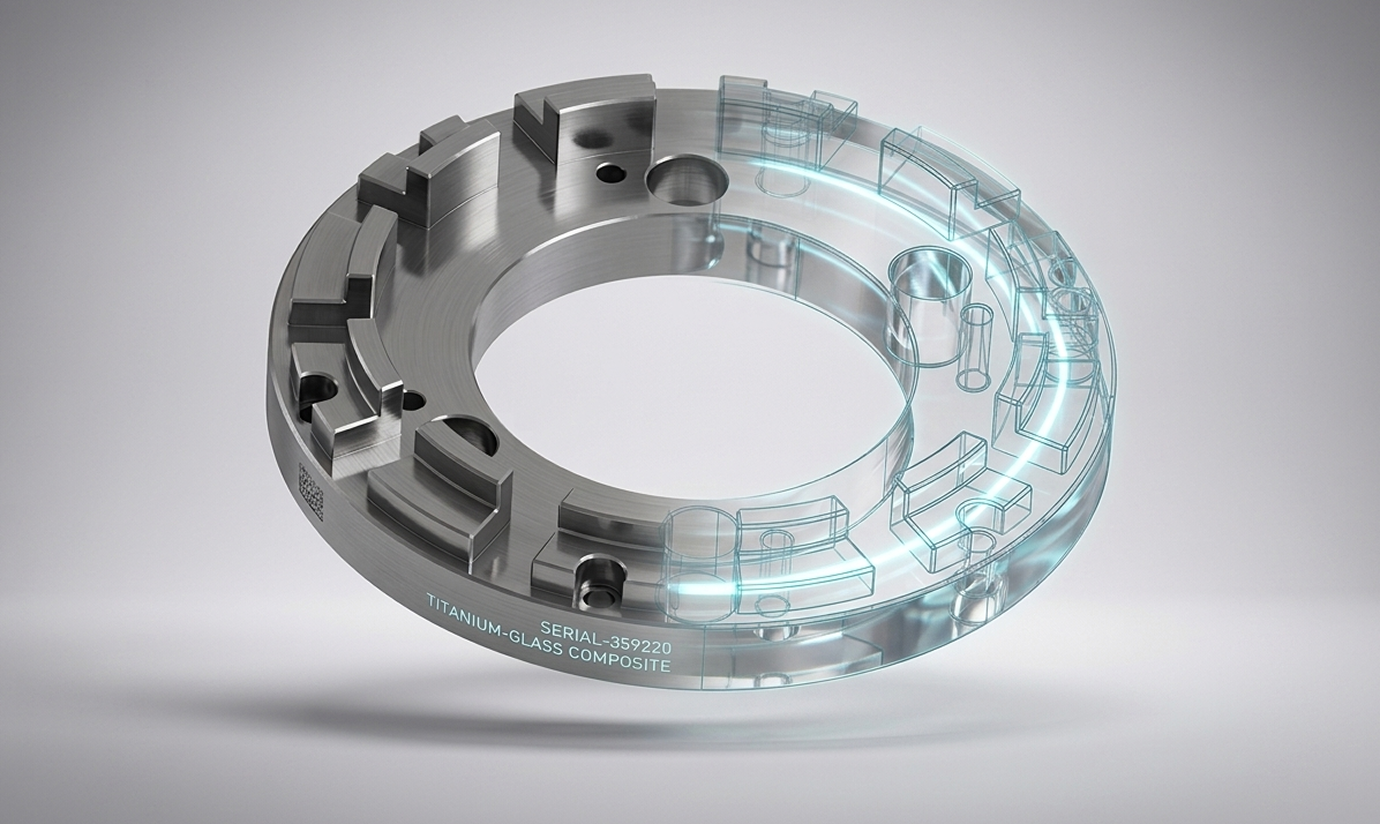
Part scan and modeling
-
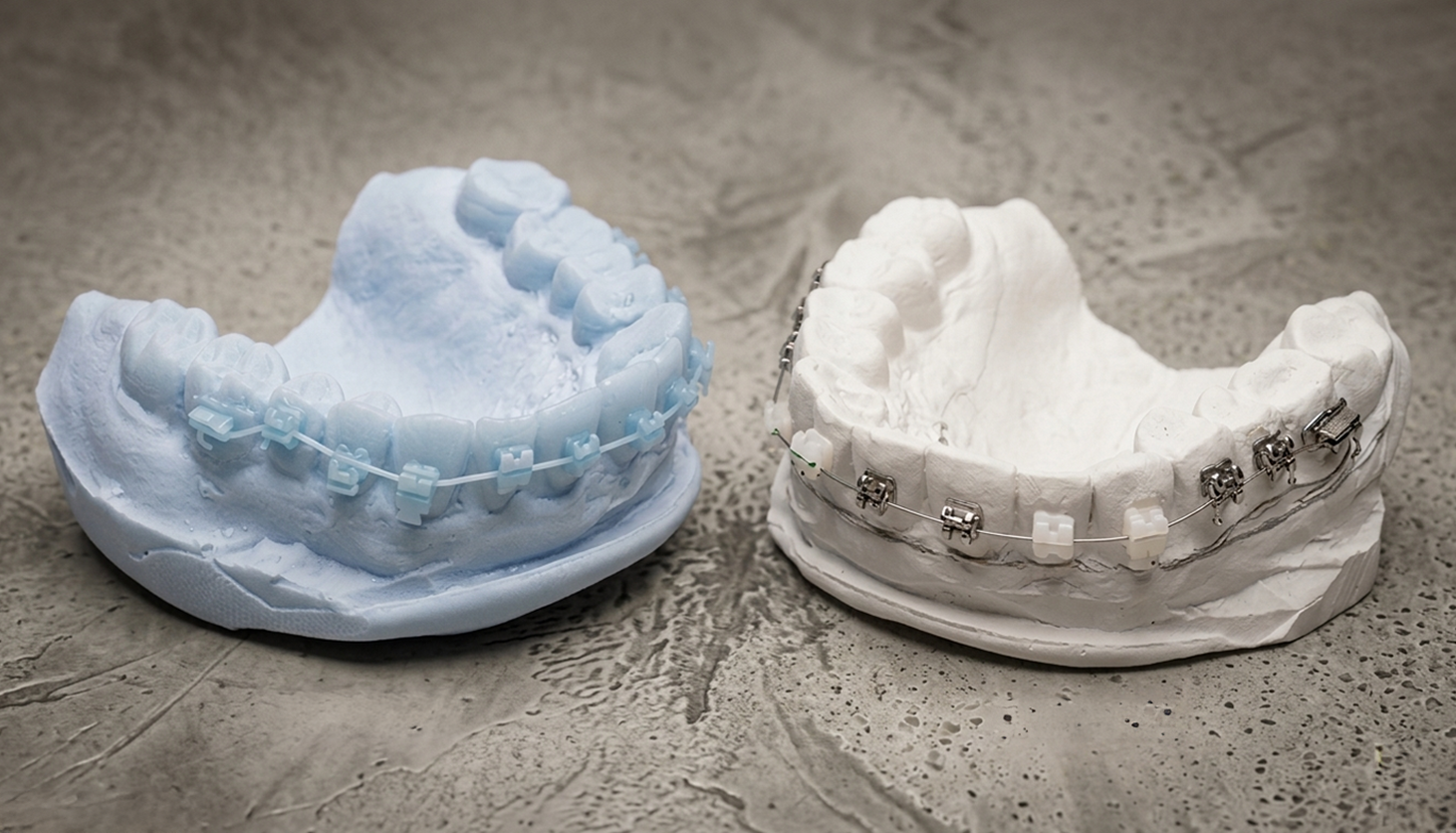
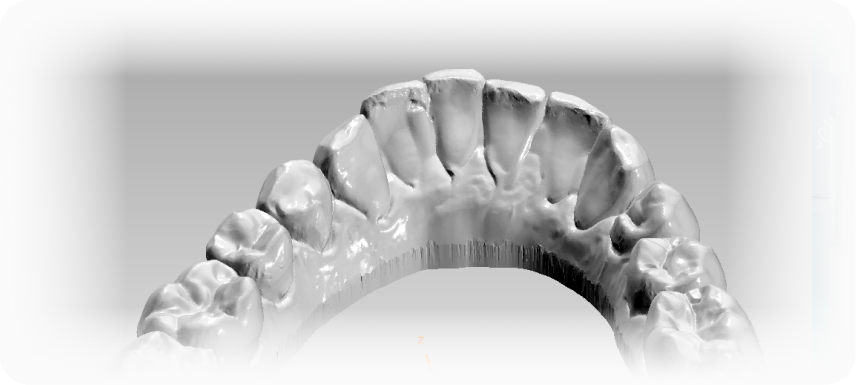
White light dental scans
-
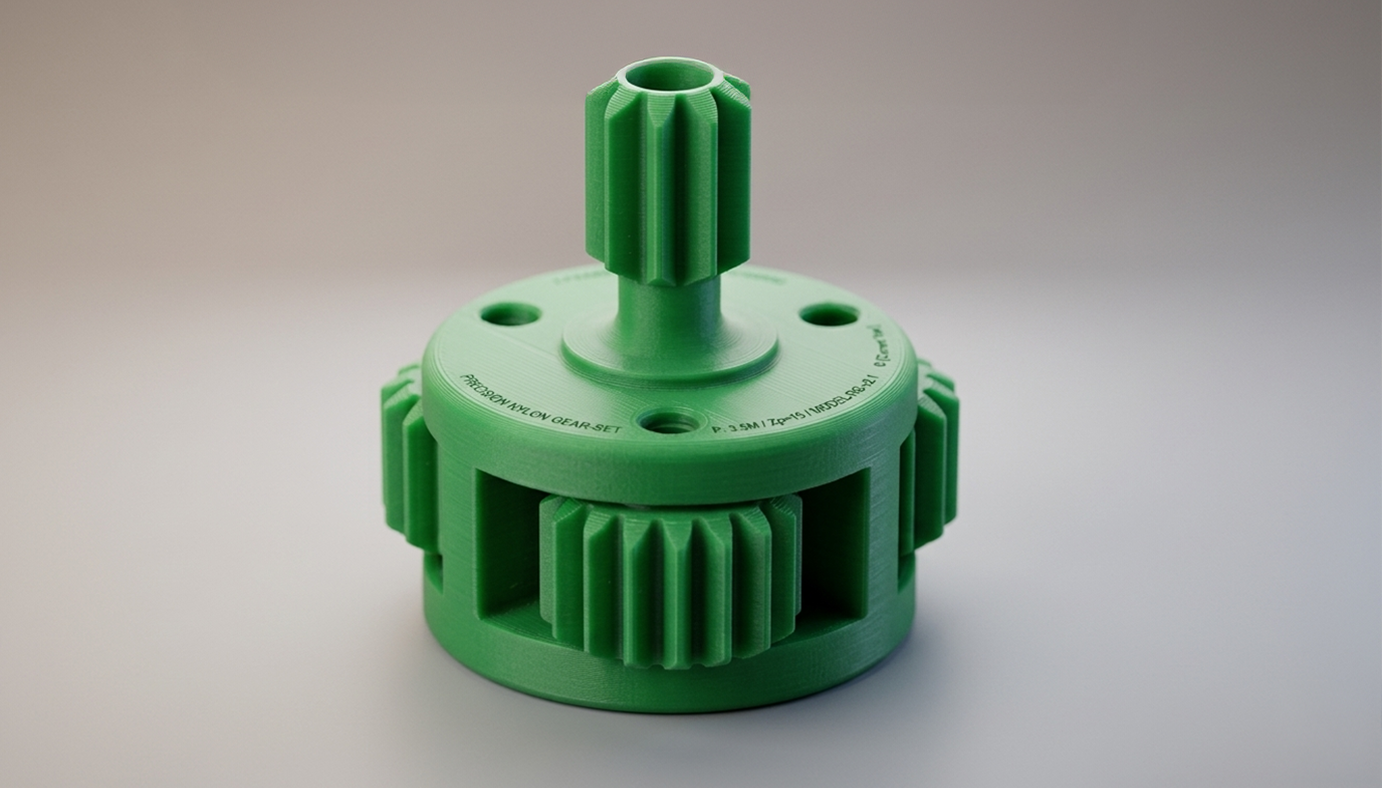
Drill Motor Gear Scan
Innovation Brought to Life
Past Projects
Our past projects highlight real examples of how our 3D scanning, inspection, reverse engineering, and CAD design services solve complex manufacturing challenges. These case-driven results demonstrate our expertise across automotive, aerospace, medical, and tooling industries.