Benefits of 3D Scanning
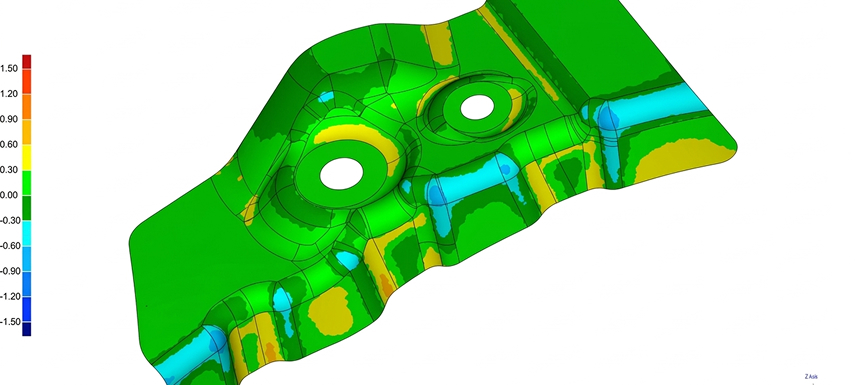
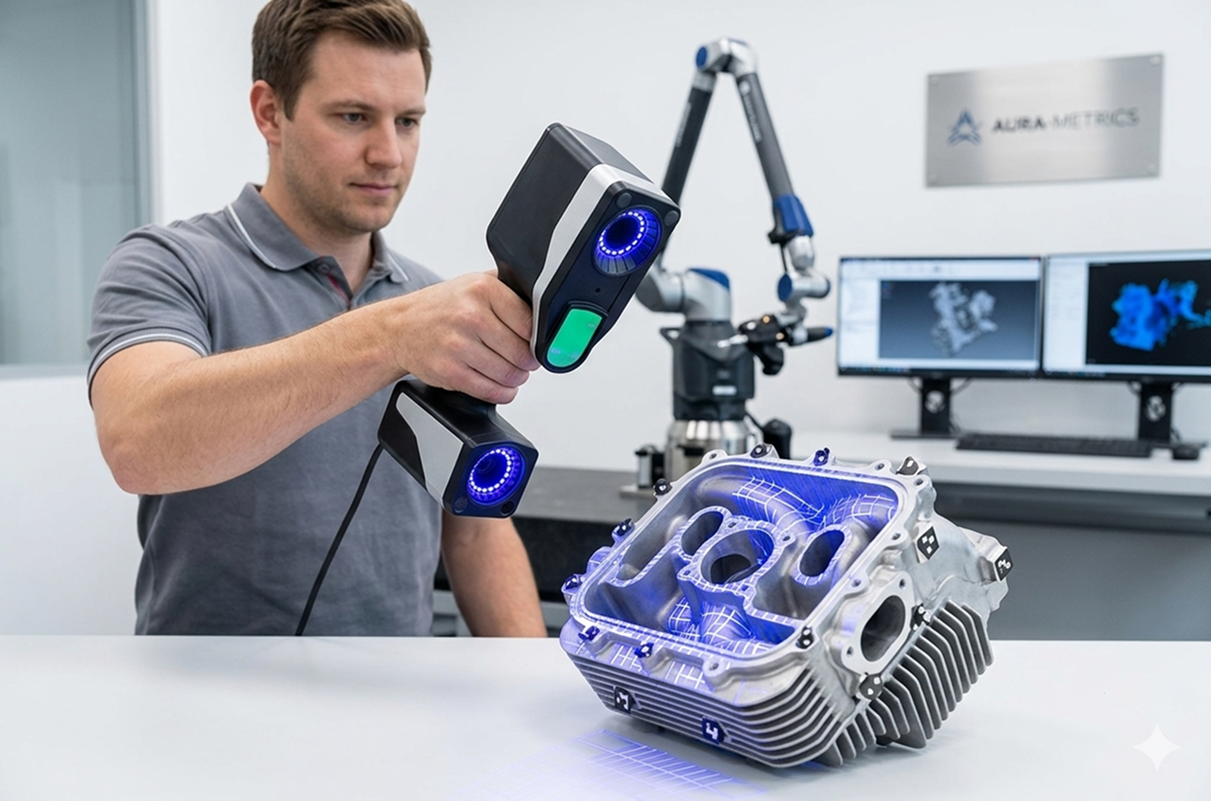
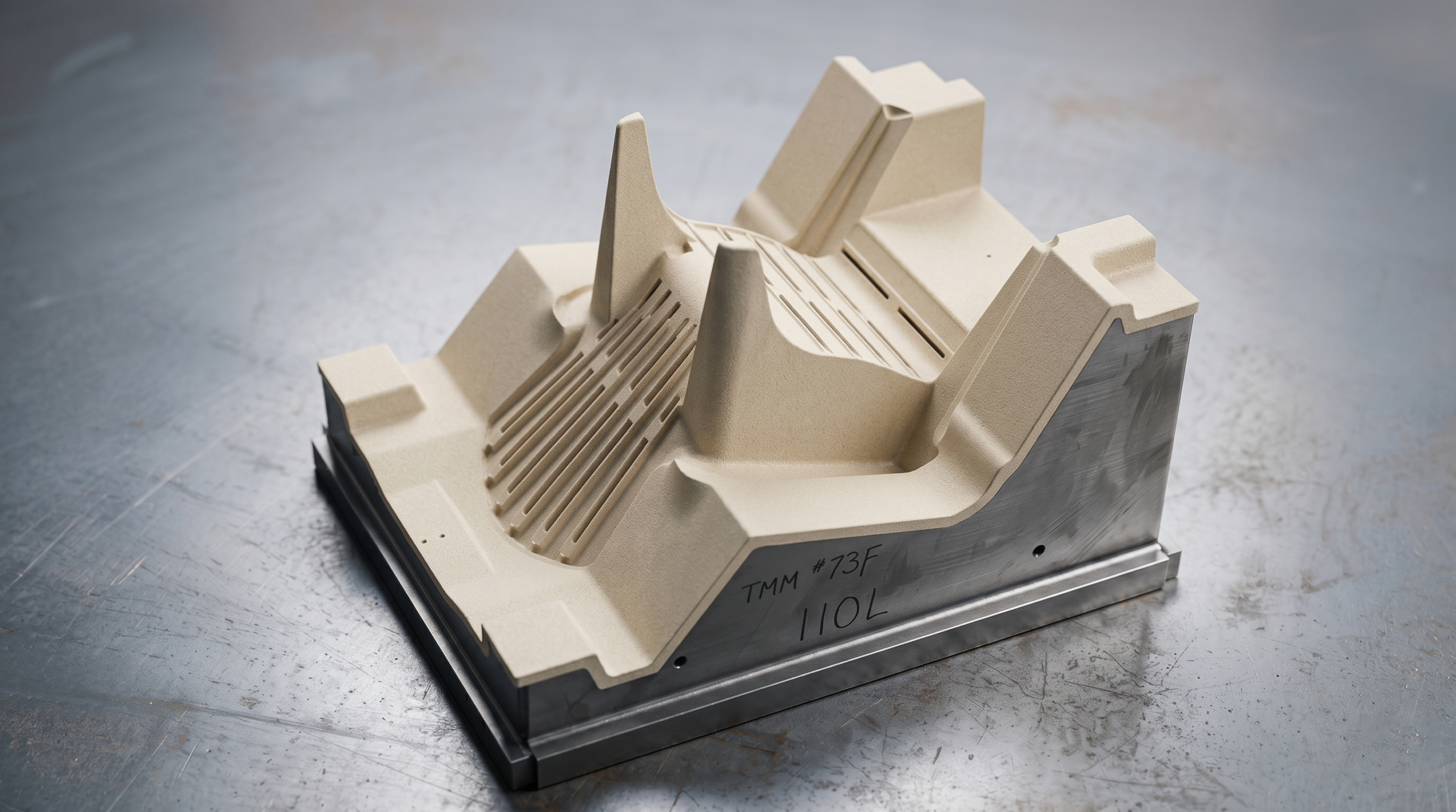
3D scanning and reverse engineering provides exact digital 3D replicas of worn or damaged dies and molds, revealing distortion, wear, or spring‑back warping windage compensations in the tool. This allows tooling to be repaired, modified, or fully rebuilt even when no CAD data exists, reducing downtime and ensuring consistent, repeatable production quality. The result is faster turnaround, longer tooling life, and fewer defects.3D digital inspection is also used to solve complex stamping or molding issues, like spring back, warpage, distortion, or shrinkage. Easy-to-understand color error plots clearly show the dimensional issues in difficult parts. We offer ON-SITE 3D scanning of stamping & drawing dies, injection, compression, RIM, RTM & blow molds.
Get a Quote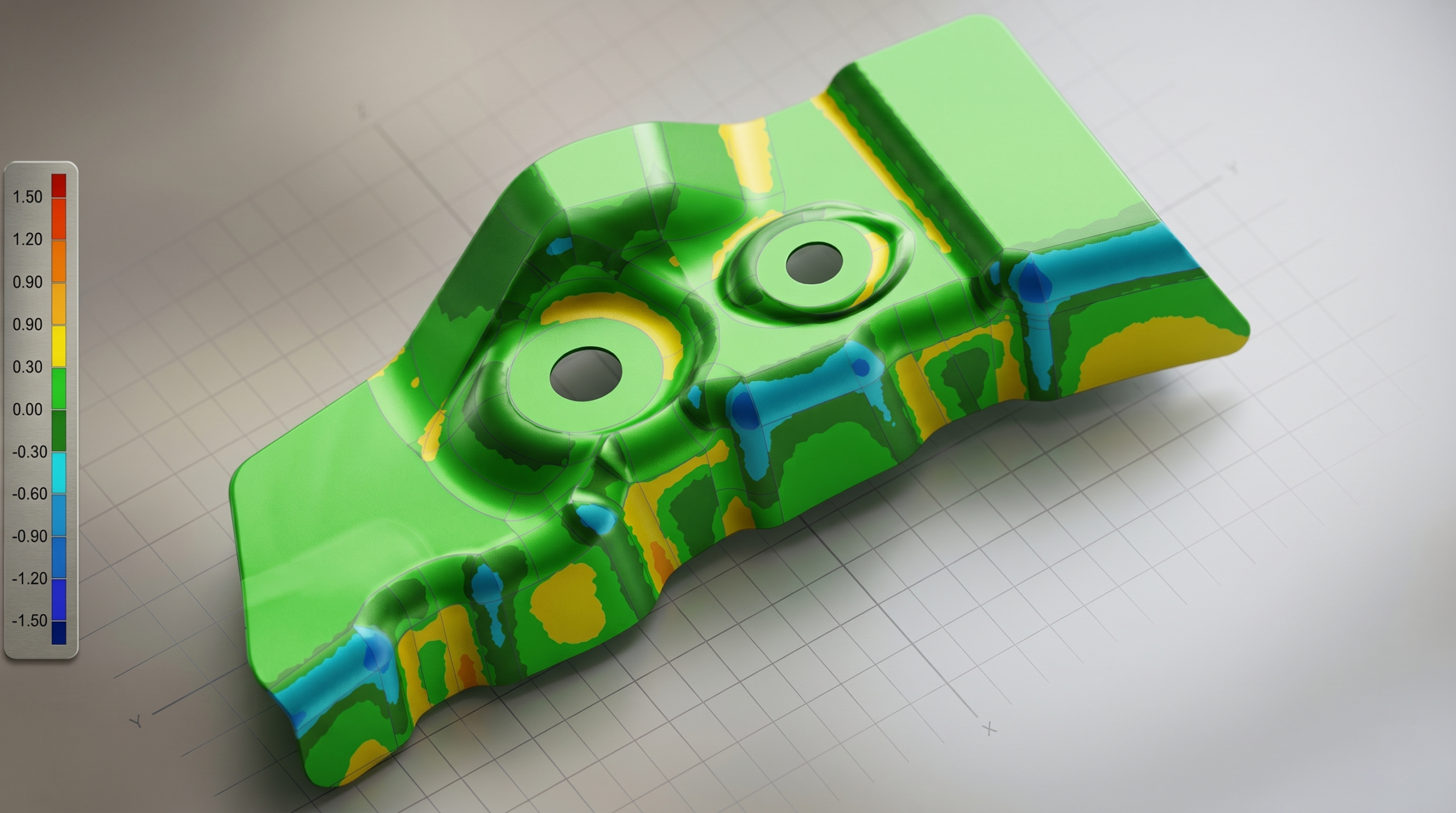
Advanced Dies and Molds Services
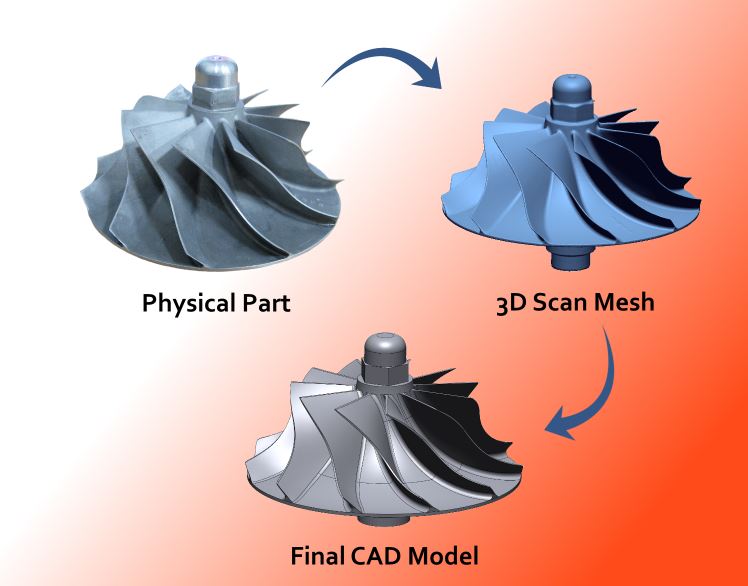
We can also complete machinable STL models of tools or parts directly from the 3d
scanned data. We can also incorporate parting line surfaces directly on the point cloud STL models.
-
 Rebuild any tool, die, fixture or mold from scratch—even if it's broken or undocumented.
-
Update or modify legacy dies without needing original CAD files or drawings.
-
Diagnose, inspect, and replace worn tooling fast—before it slows down production.
-
Get clean, machinable CAD models that cut rework time and reduce tooling costs.
-
Make shape changes in tooling with our 3D scanned CAD models.
-
Digitally preserve fully benched tools so they can be reproduced flawlessly at any time
-
Make informed decisions about adding windage to tooling for distorted parts.
-
Spot deviations instantly with color-mapped comparisons between scanned parts and CAD data.
-
Repair imported dies and molds that arrive without CAD or drawings.
-
Manufacture new dies and molds directly from scanned parts.
-
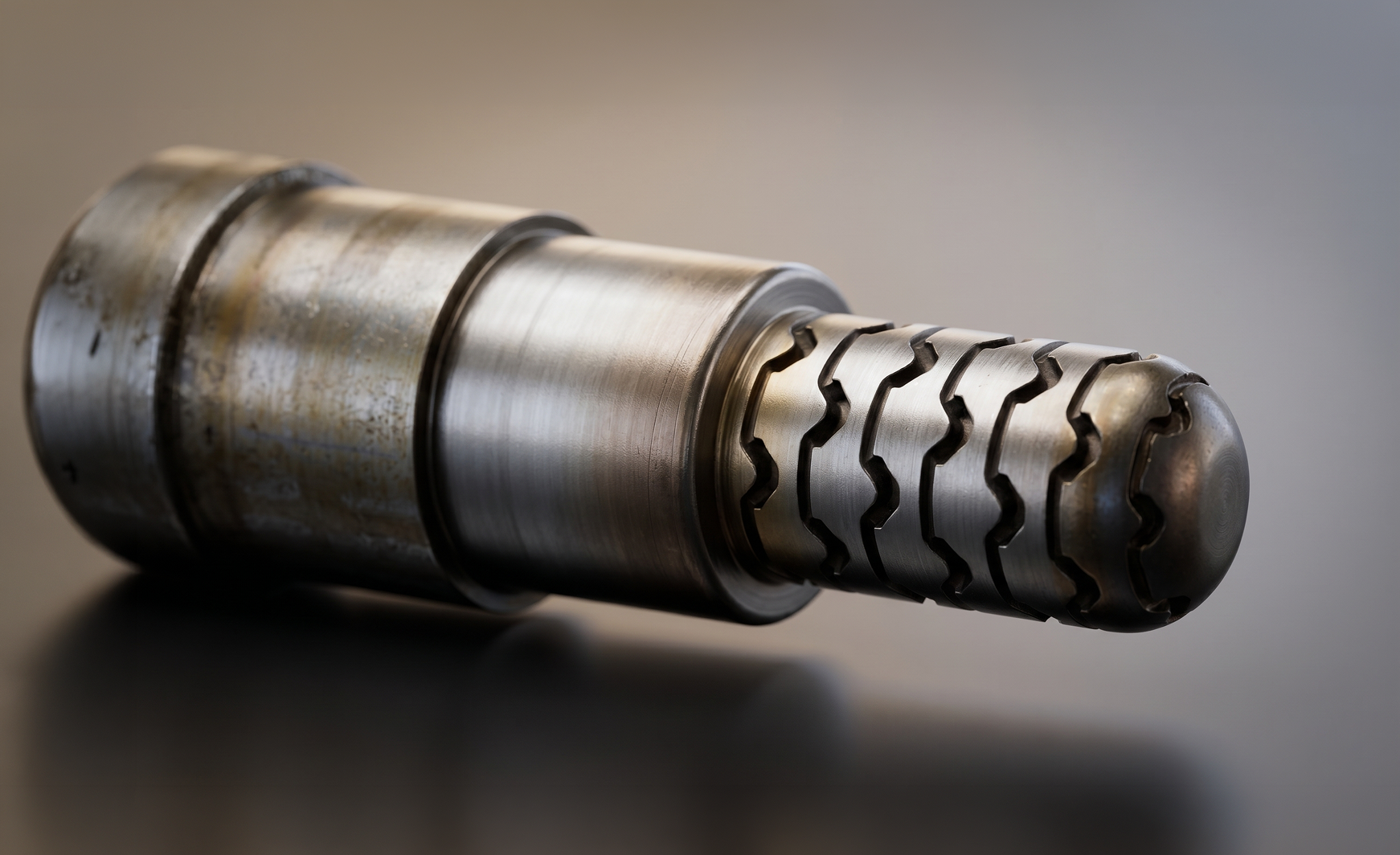
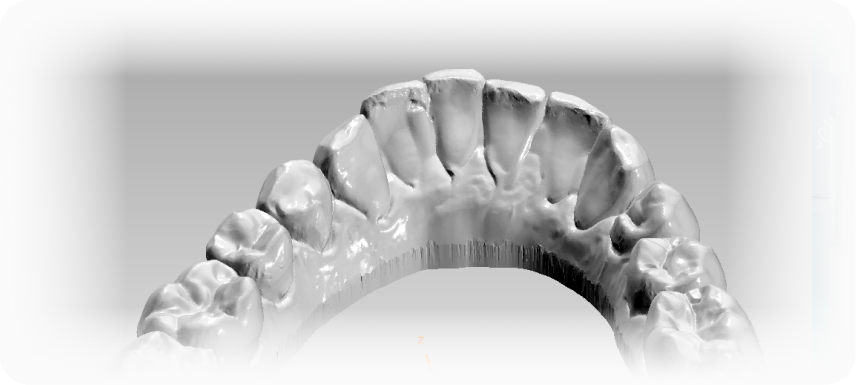
Small insert mesh
-
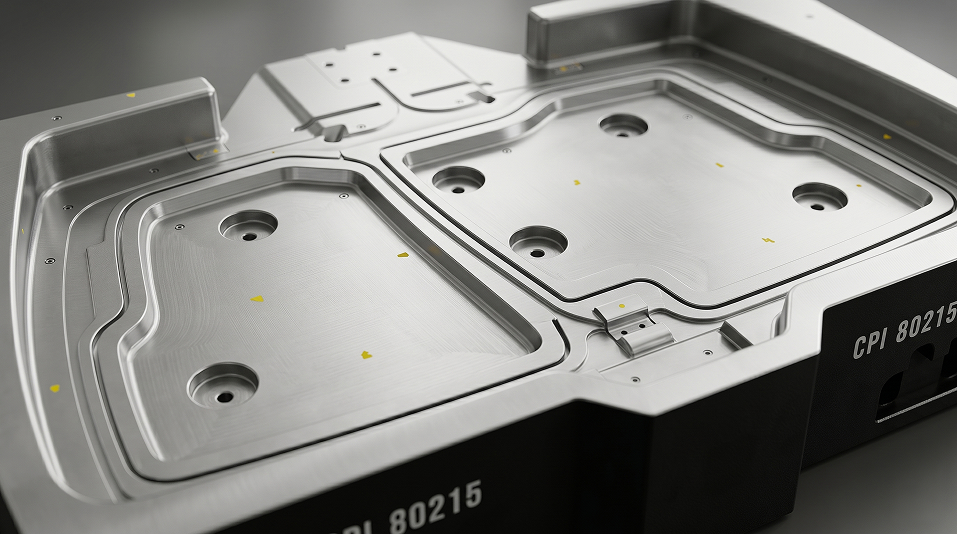
Old Mold
-
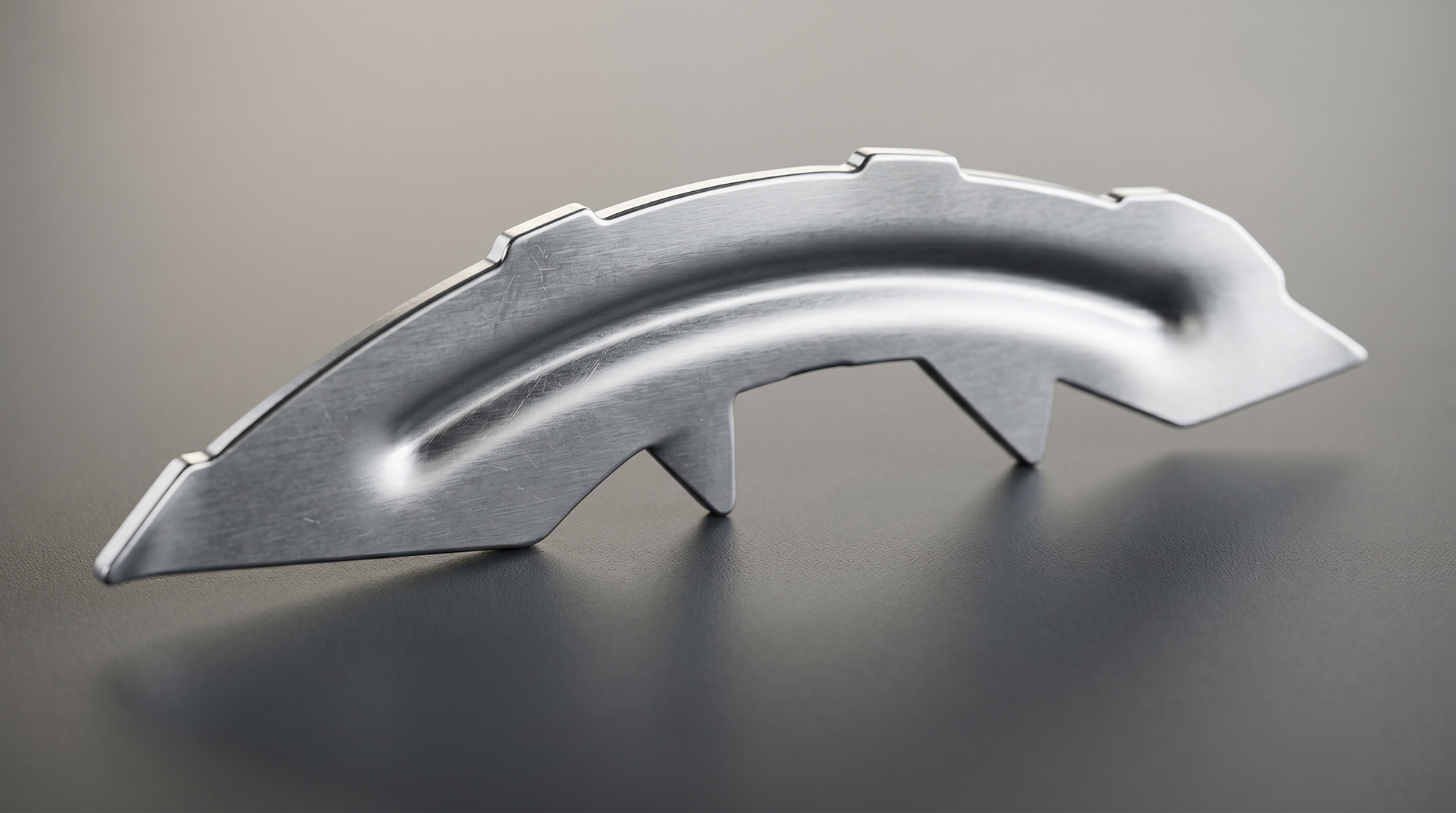
Production Die
Request A Quote
Please fill out the form below, and we will get back to you within the hour.

Phone
(248)853-7700
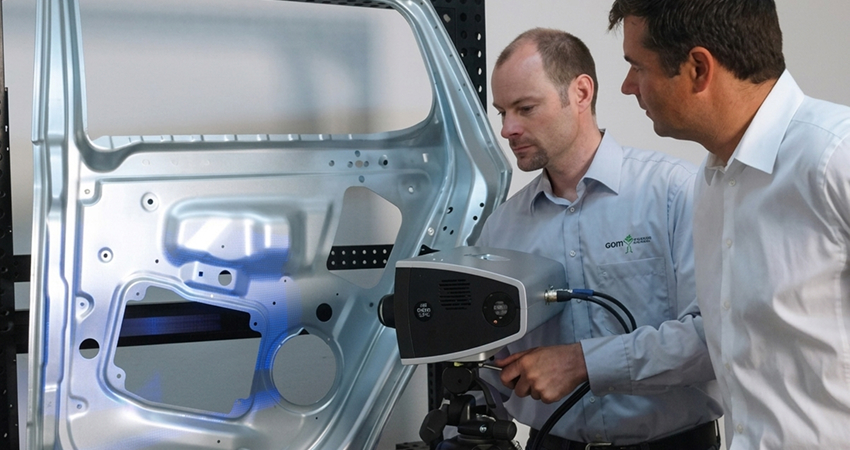
Why 3D Scanning?
Modern manufacturing depends on precise stamping dies, injection molds, and die‑cast tools—and these tools wear, distort, and fail over time. High‑resolution 3D scanning and reverse engineering give manufacturers fast, accurate insight into tooling condition, enabling quicker repairs, better troubleshooting, and reliable reproduction. Traditional CMM and manual measurements struggle with complex shapes and slow down production. 3D scanning captures full geometry in minutes, delivering clean, accurate data that eliminates guesswork. During die build, hand‑grinding and polishing change the tool’s final shape. Once this bench work is done, the true working geometry is no longer reflected in the original CAD. 3D scanning preserves this optimized shape digitally, ensuring it can be replicated, repaired, or modified with confidence in the future. When working with old legacy tooling that does not have modern 3D CAD models, it is very difficult to replicate broken or worn die and mold inserts or sliders. 3D scanning and reverse engineering fills that gap by creating machinable 3D CAD models in various industry standard formats like .stp, .igs, prt, .sldprt and more…Innovation Brought to Life
Past Projects
Our past projects highlight real examples of how our 3D scanning, inspection, reverse engineering, and CAD design services solve complex manufacturing challenges. These case-driven results demonstrate our expertise across automotive, aerospace, medical, and tooling industries.