Industrial CT Scanning was introduced in 1972 when the invention of the CT Scanner was created. Godfrey Hounsfield’s invention later earned him a Nobel Prize in medicine. Although the original intent was for the medical field, the creation of industrial scanning has helped with the internal inspection of parts without any physical cutting needed.
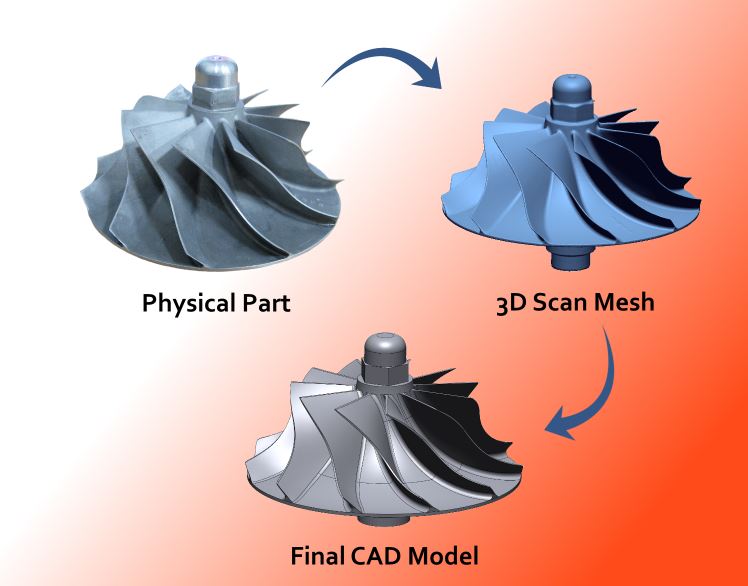
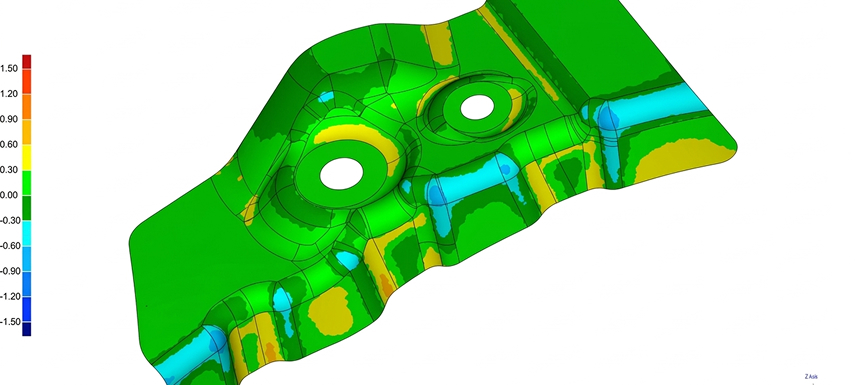
The key uses that are involved with industrial CT scanning include reverse engineering applications, part failure analysis, metrology assembly analysis, and flaw detection for complex parts.
What is Industrial CT Scanning?
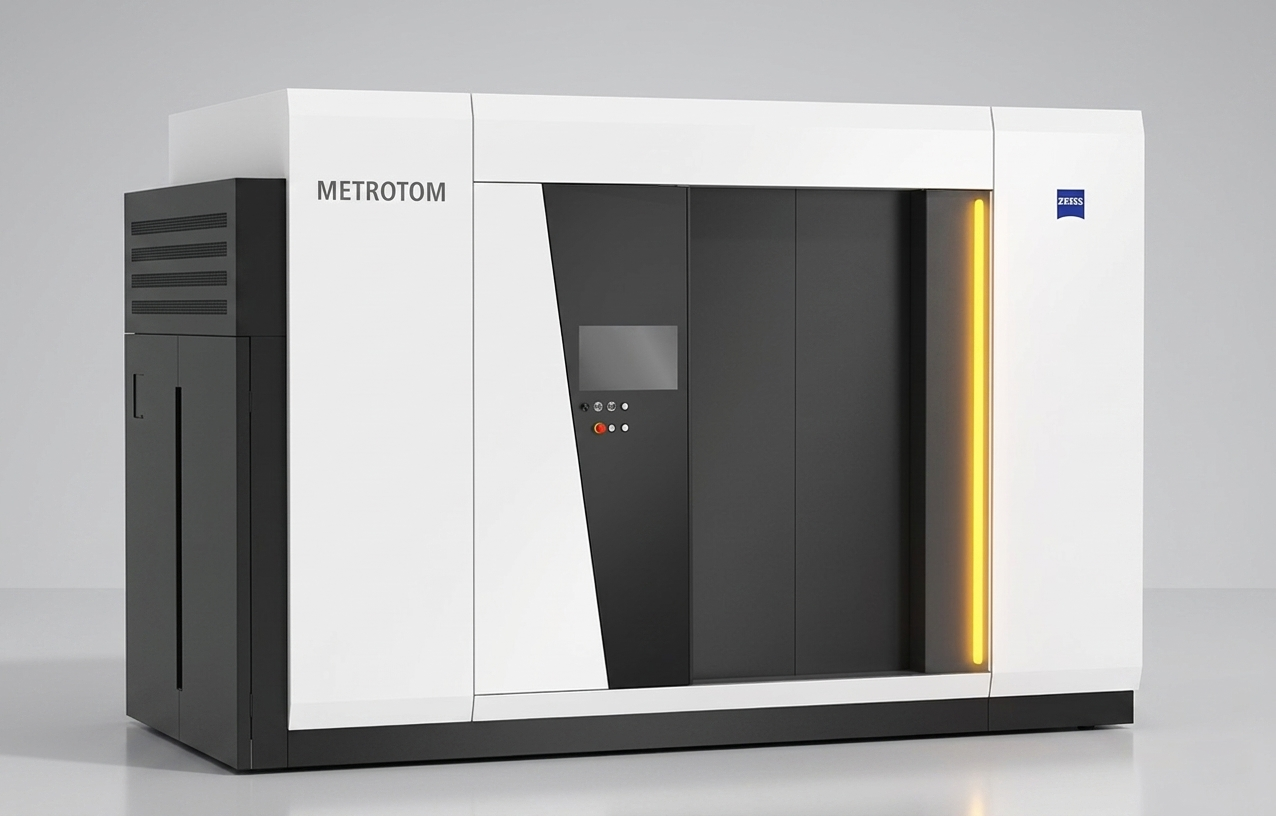
Industrial CT Scanning provides the ability to reveal hidden areas of any part, without any cutting of the part. While Traditional 3D Scanning requires you to cut parts to get to hidden areas, Industrial Scanning eliminates that hassle. Instead, you can cut the part in the digital world and see inside to get all the measurements. This is due to the x-rays that the CT Scanning omits to also scan the inside of the whole part along with the outside.
- No cutting to see the hidden areas of any part. CT scanning allows you to see both the inside and out without ever affecting the part
- Scanning of all internal and external components with computed tomography systems
- No need for complex fixturing!
- Provides new insights for areas once invisible with traditional 3D scanning
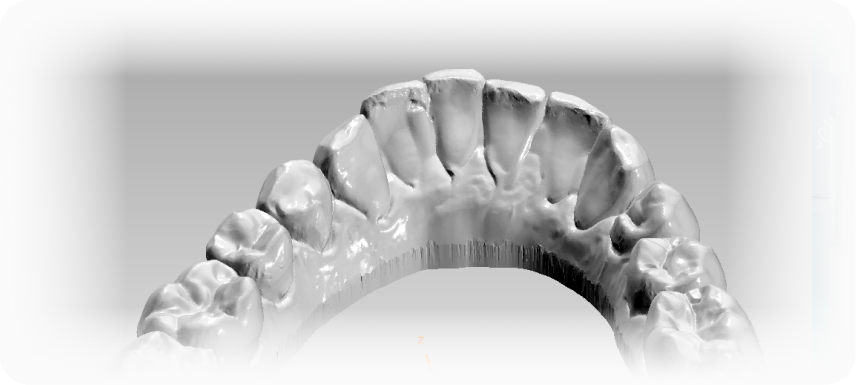
- Highest-resolution 3D point clouds or STL’s